01No travel required
Virtual Workshops
Live, interactive online sessions for teacher teams—covering phonemic awareness, phonics, fluency, vocabulary, and comprehension through guided practice and real classroom application.
Get a quote
Professional development · Nationwide
Evidence-based professional development that teachers actually look forward to—delivered virtually, on-site, or through ongoing coaching.
Whether your team is across town or across the country, we bring structured literacy training directly to your teachers—in the format that works best for your district.
Live, interactive online sessions for teacher teams—covering phonemic awareness, phonics, fluency, vocabulary, and comprehension through guided practice and real classroom application.
Get a quoteFull-day and multi-day experiences at your school or district offices, designed around your teachers’ schedules, grade bands, and current instructional challenges.
Get a quoteMonthly or bi-monthly coaching cycles with individual teachers or grade-level teams, combining observation, modeling, and reflection to build lasting instructional capacity.
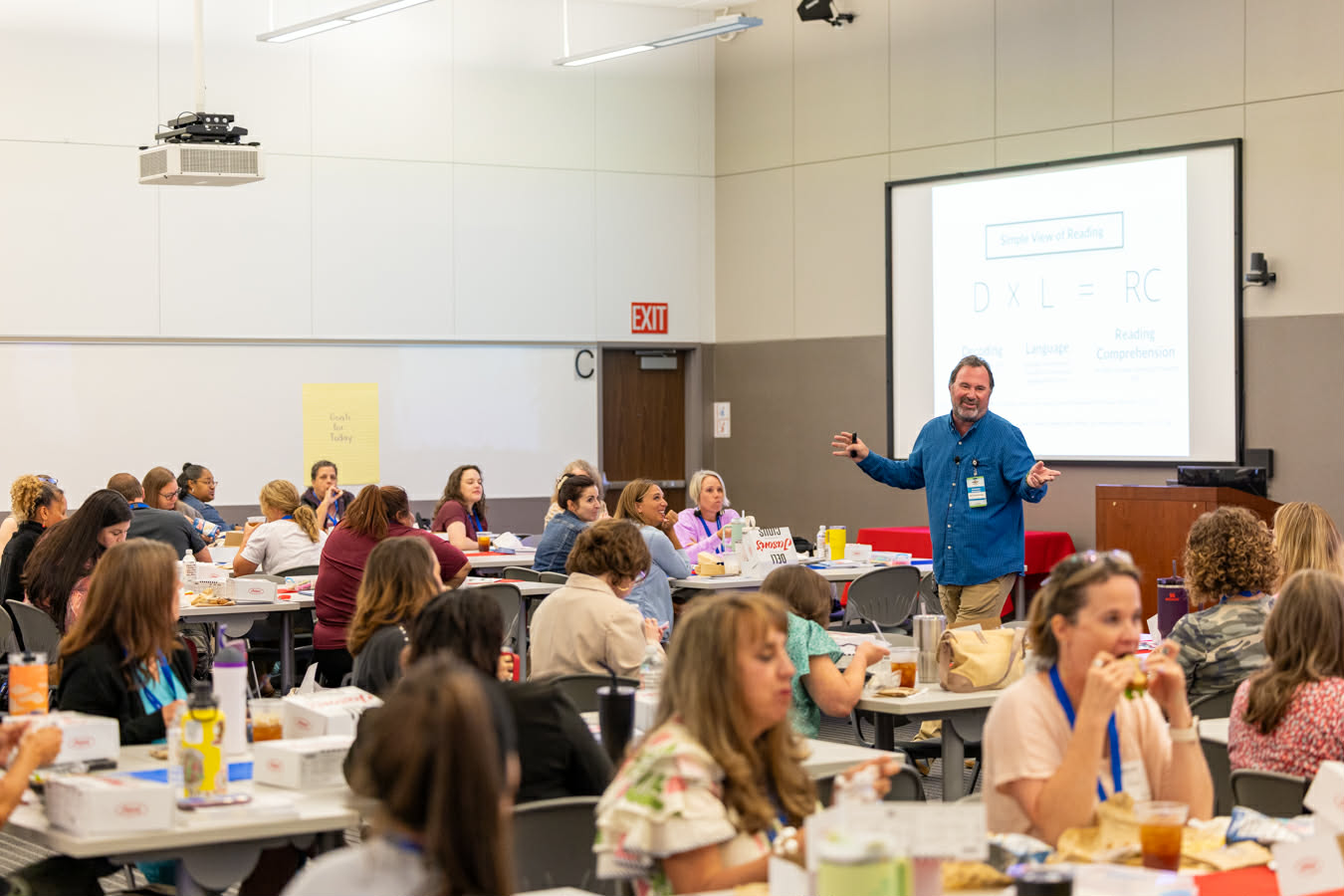
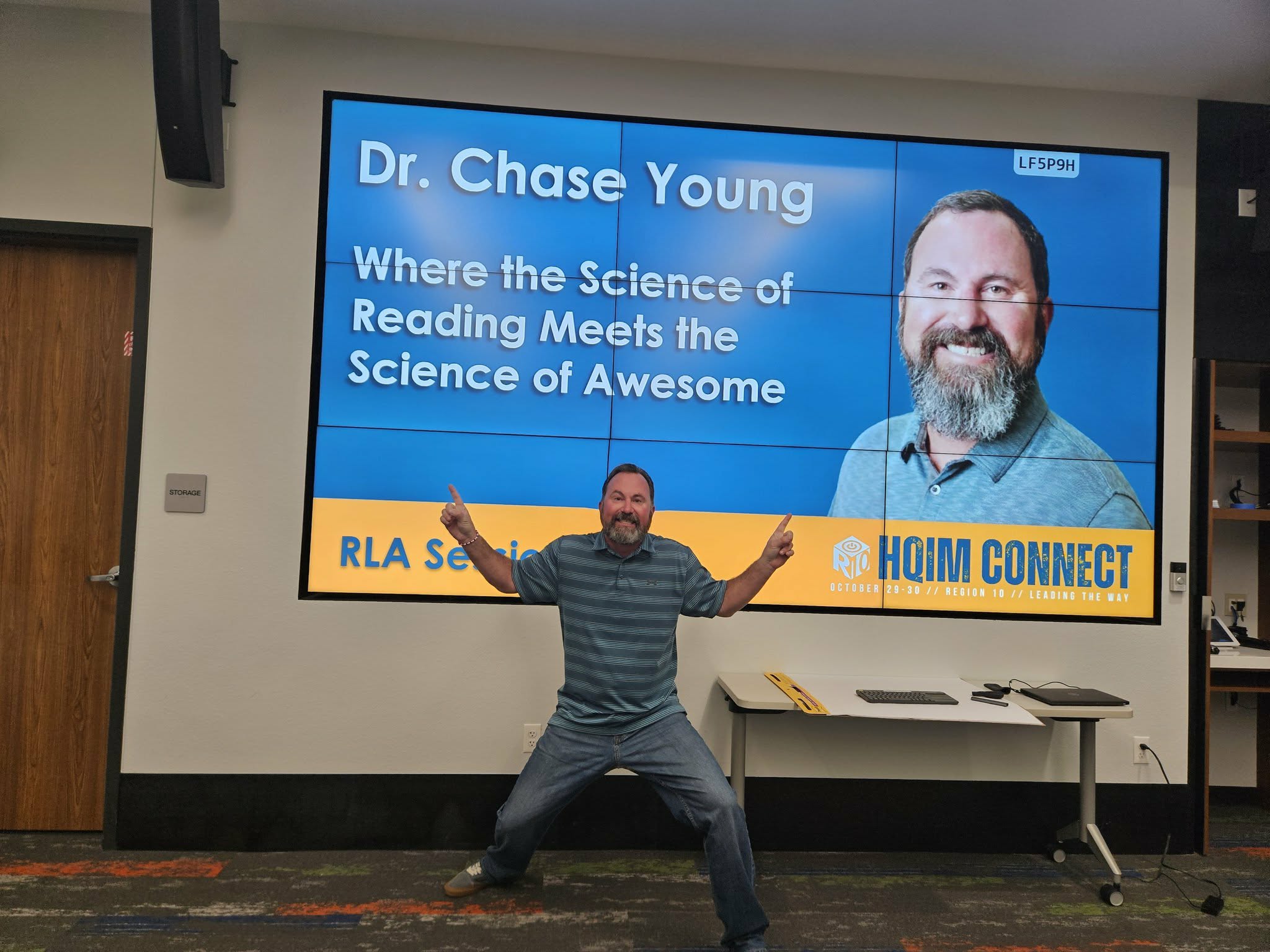
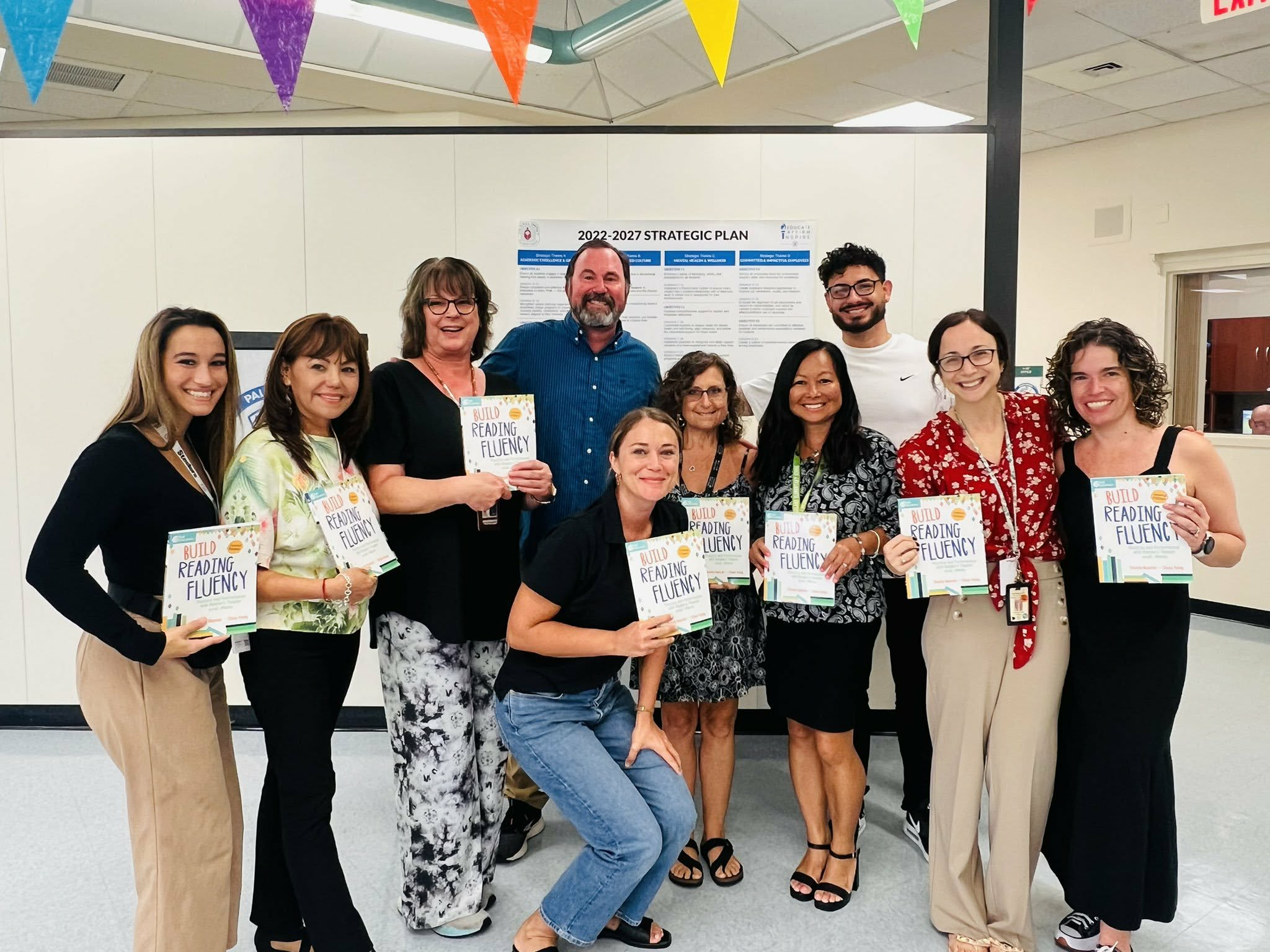
Get a quoteFrom regional conferences to district training days: real sessions with movement, discussion, classroom demonstrations, and more than a few laughs.
Explore the gallery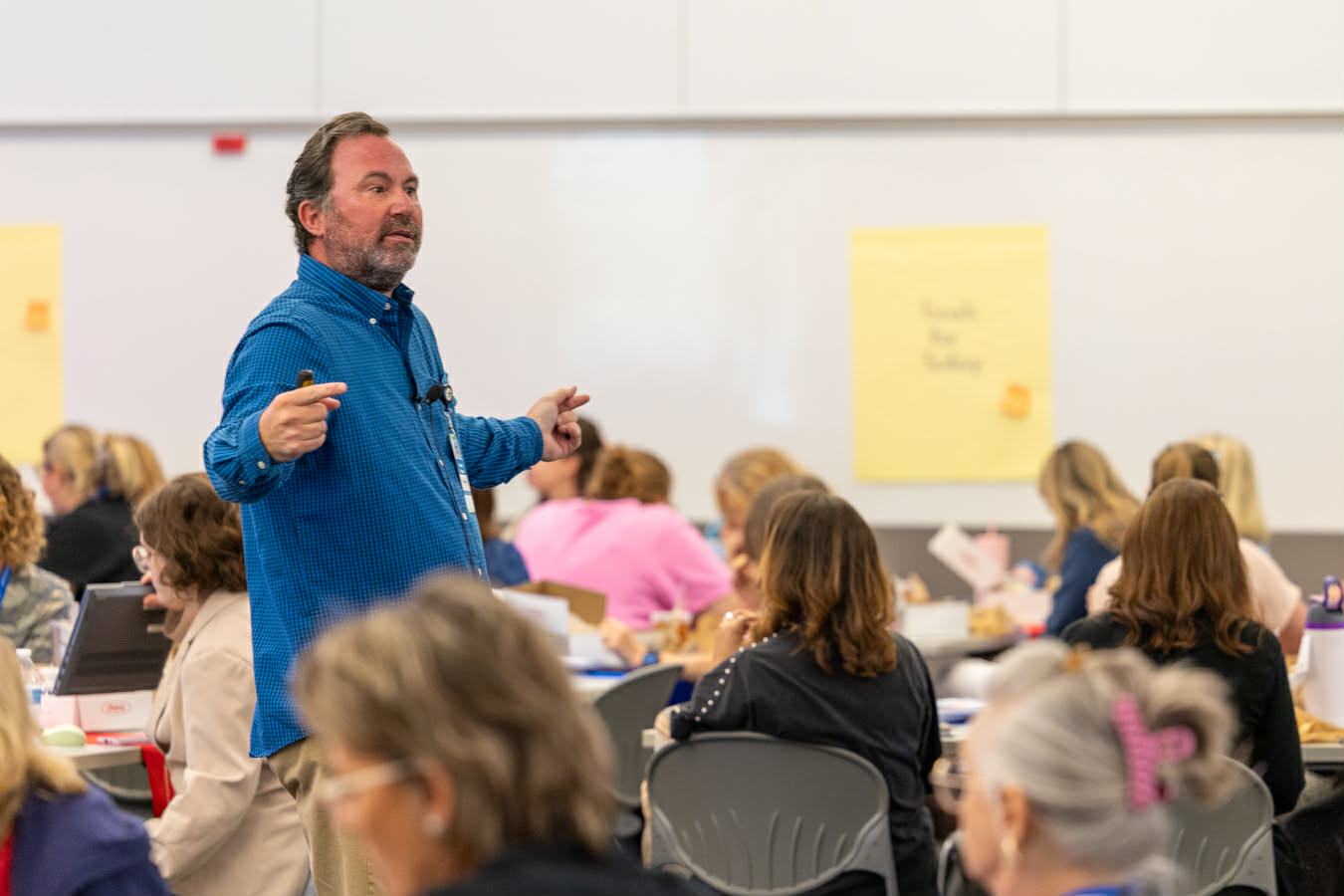
“The science of reading gives us the roadmap—but motivation and engagement are the fuel.”
Active professors, literacy researchers, published authors, and—critically—former K–5 classroom teachers and district instructional coaches.



 01
01Selected faculty
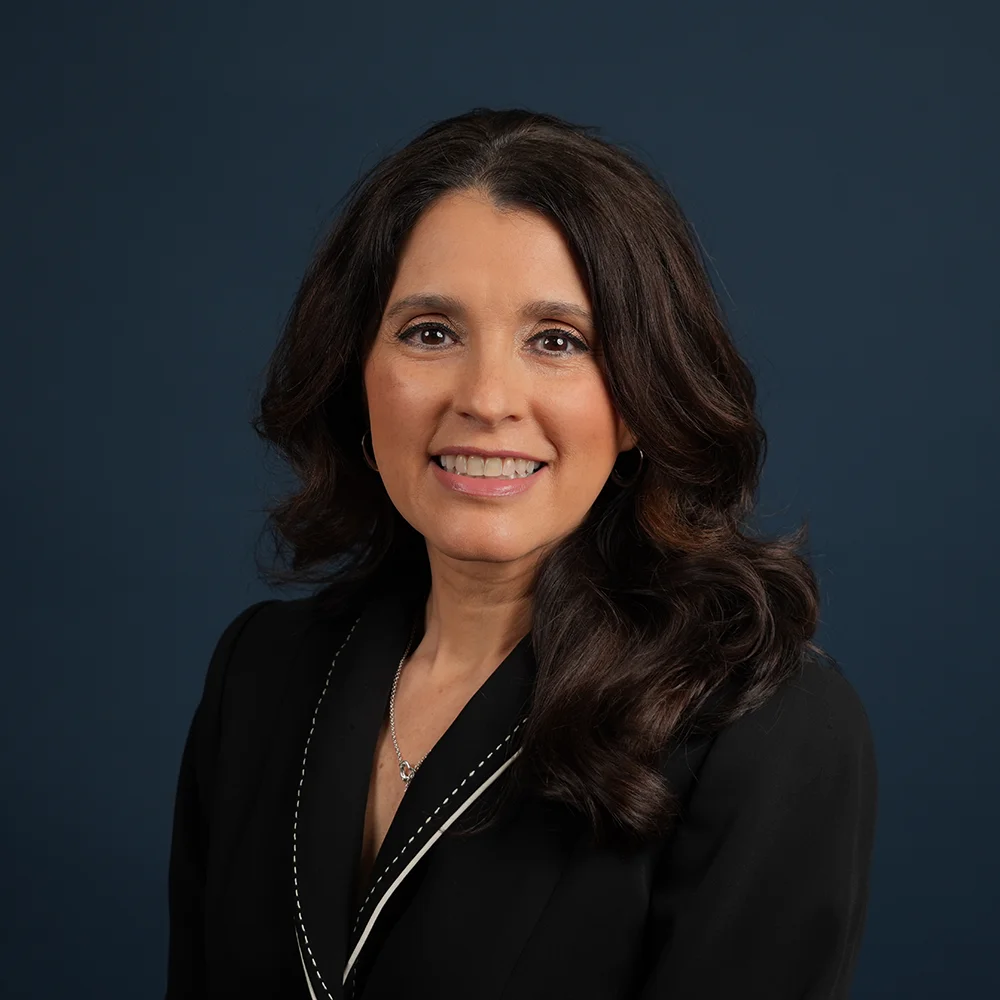
Chief Literacy Officer · Professor of Literacy
Editor, Reading Research Quarterly. Series Editor, The Science of Reading. Author of seven books on reading fluency and evidence-based instruction.
Learn more about ChaseEvery session moves from research to practice, equipping teachers with strategies they can use on Monday morning.
Grounded in current, peer-reviewed research on how children learn to read—the same evidence driving literacy mandates nationwide.
↗Every session includes demonstration, practice, and coaching, delivered by experienced educators who have taught in real classrooms.
↗We audit your curriculum and instructional practices first, then tailor the work to where your teachers actually are.
↗We equip coaches and lead teachers to sustain the work long after the training ends.
↗Activities teachers take back to their classrooms the very next day.
Fluency
Cold read and rate. Echo and choral reading. Rehearse. Perform. A structured, zero-prep protocol that builds prosody and engagement together.
Vocabulary · Morphology
Students debate two playful scenarios using the meaning of a morpheme—building word-analysis skills without losing the joy of the lesson.
Phonics · Writing · Nonfiction
Students decode compound words, research a nonfiction topic, draft a narrative, and perform it: four standards, one connected lesson arc.
Article
The research on text complexity may surprise you—and change how you think about leveled reading in your schools.
Read ↗ 02Podcast · Episode 245
Dr. Young discusses evidence-based fluency strategies and how to bring them into everyday instruction.
Listen ↗ 03Practical guide
Evidence-based methods for K–6 classrooms, including repeated reading, choral reading, and Readers’ Theatre protocols.
Download ↗Ready for takeoff?
Tell us about your teachers, your timeline, and your goals. We’ll build a plan together.
Start a conversation07 Also from LiTerrific
LiTerrific streamlines, standardizes, and automates the literacy diagnostic assessment process—reading technology built by teachers.
Visit LiTerrific.com